
Introduction
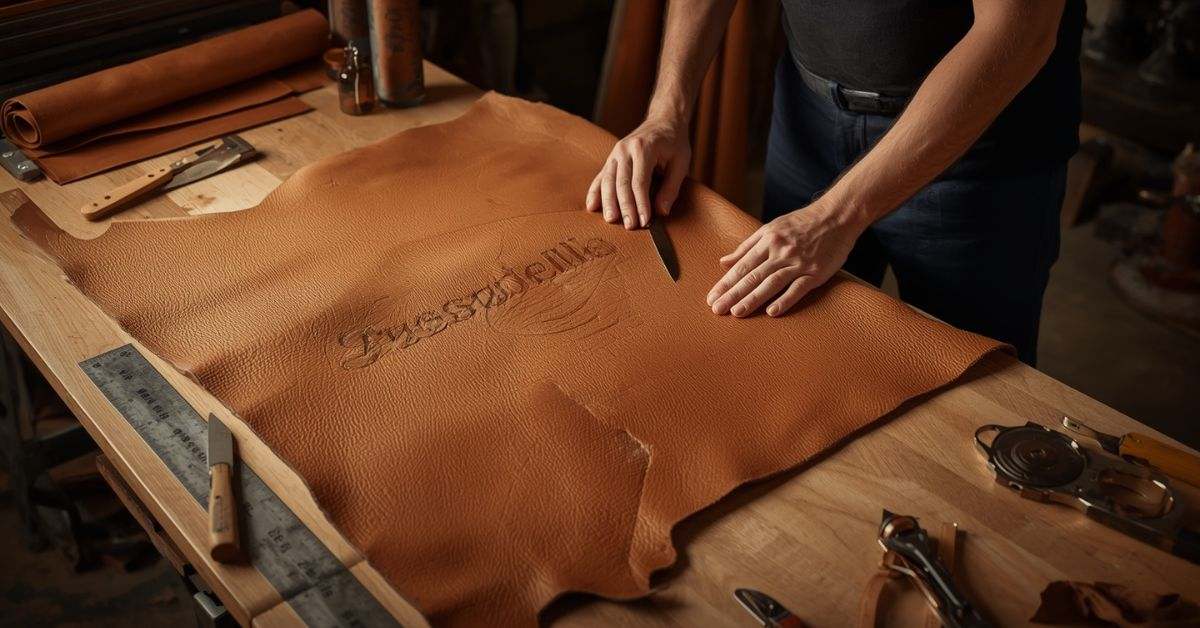
Every precise cut begins not with a blade, but with the surface beneath it. For centuries, artisans and manufacturers have trusted zuschneidfelle—specialized leather hides designed specifically for cutting applications—to ensure clean slices, consistent quality, and tool longevity. In an age of innovation, their relevance remains stronger than ever.
This guide explores everything from the meaning and origins of zuschneidfelle to modern applications, ethical sourcing, and expert care tips. Whether you’re a leatherworker, tailor, or industrial designer, this in-depth article will help you understand, choose, and care for the right cutting hide like a true professional.
What Does Zuschneidfelle Actually Mean?
The word zuschneidfelle is German in origin. It combines:
- “Zuschneiden” – meaning to cut or trim
- “Felle” – meaning animal hides or skins
Together, the term refers to hides—often leather—that are specially prepared and treated for use as cutting surfaces. These hides absorb pressure without dulling blades, resist slippage, and offer precise tension when under knife or rotary cutter.
In modern workshops, zuschneidfelle may include both natural leather materials and synthetic or hybrid surfaces that replicate the traditional behavior of hide-based mats.
A Stitch in Time: The History of Zuschneidfelle
Historically, leatherworking required not only sharp blades but also resilient surfaces. Early craftspeople used discarded animal skins as protective mats, but over time, they discovered that particular types of thick, tanned leather provided better control and protection.
By the 18th century, German and Austrian workshops formalized their use, with zuschneidfelle becoming a standard tool in shoemaking, tailoring, bookbinding, and saddlery. These hides were especially favored for:
- Their firm yet forgiving surface
- Ability to support repeated pressure
- Minimizing damage to both tools and worktops
Even now in 2025, skilled artisans worldwide prefer zuschneidfelle over plastic mats for their natural texture, durability, and responsiveness under pressure.
Not All Hides Are Created Equal: Types and Grades of Zuschneidfelle
The utility and lifespan of a zuschneidfell depend greatly on the type of hide and grade used. Each variety offers unique advantages based on its structure, thickness, and treatment process.
| Hide Type | Texture | Recommended Use | Durability |
|---|---|---|---|
| Full-Grain Cowhide | Thick, coarse | Heavy-duty cutting, industrial use | ★★★★★ |
| Top-Grain Leather | Smooth, flexible | Tailoring, pattern work | ★★★★☆ |
| Goat Skin | Chewy, thin | Handicrafts, detailed cutting | ★★★☆☆ |
| Suede (Split Hide) | Velvety, soft | Light pressure work, DIY | ★★☆☆☆ |
| Faux Leather | Smooth, synthetic | Hobbyist use, decorative craft | ★★☆☆☆ |
Pro Tip: For industrial or workshop use, full-grain cowhide zuschneidfelle provide unparalleled durability and blade protection.
From Raw Hide to Refined Material: The Tanning Process
Before a hide can become a precision cutting surface, it undergoes a meticulous series of transformations:
1. Preparation
- Cleaning: Removal of hair, grease, and contaminants
- Fleshing: Shaving excess tissue for even thickness
2. Tanning
- Vegetable Tanning: Natural process using tree bark; results in firm, long-lasting hides
- Chrome Tanning: Faster, industrial method for more flexible finishes
3. Drying and Conditioning
- Great care is taken to maintain surface tension and avoid cracking.
4. Finishing
- Dyeing or waxing may be applied to enhance durability or aesthetics.
In 2025, hybrid tanning (a mix of plant-based and mineral methods) is gaining traction for producing hides that balance flexibility with resilience—perfect for zuschneidfelle.
The Art of the Cut: Working with Zuschneidfelle
A premium surface doesn’t just protect—it empowers. When cutting on zuschneidfelle, the surface offers:
- Tension control: Prevents blade digging or skipping
- Clean edge finish: Minimizes fraying or jagged lines
- Blade-life boost: Lowers tool sharpening frequency
Tips for Clean Cutting:
- Use rotary knives for long curves
- For angular cuts, opt for precision utility blades
- Always cut at a shallow angle to mirror surface grain
Professional tailors and leatherworkers frequently say, “A good cut is one part skill, and one part hide”—a testament to the importance of the right cutting base.
From Workshop to Wardrobe: Applications of Zuschneidfelle
Across disciplines, zuschneidfelle empowers accuracy, speed, and quality. Here’s how they’re used:
- Fashion & Apparel: For cutting fabric panels, linings, and leatherwear patterns
- Shoemaking: Crafting complex soles and uppers
- Leather Accessories: Wallets, belts, phone cases, watch straps
- Car Upholstery: High-precision trimming of synthetic and organic materials
- Bookbinding & Stationery: Paper leather, spines, and trim work
In 2025, even luxury brands are showcasing skilled artisans using traditional zuschneidfelle in their video campaigns—professing pride in craftsmanship.
Your Guide to Choosing the Perfect Zuschneidfelle
With so many options, choosing the right zuschneid surface can feel overwhelming. Use this checklist:
- ✅ Work Type: Are you doing fine cuts or repeated industrial slicing?
- ✅ Material Preference: Natural vs synthetic?
- ✅ Size Availability: Mat should fit your workbench area
- ✅ Thickness: Standard ranges from 3mm to 6mm depending on blade used
- ✅ Tanning Type: Veg-tanned for rigidity, chrome-tanned for flexibility
Recommendation: For beginners, a top-grain bovine hide (4mm thick) offers balance. For professionals, full-grain vegetable-tanned cowhide ensures premium performance.
Weighing the Pros and Cons
Every tool has pros and downsides. Let’s frame zuschneidfelle objectively:
| Pros | Cons |
|---|---|
| Durable and long-lasting | May be costlier than synthetics |
| Protects cutting tools | Sensitive to moisture, requires care |
| Natural bounce helps precision | Heavier than plastic cutting mats |
| Eco-conscious if ethically sourced | Limited availability in some regions |
Overall, when properly managed, the benefits far outweigh the limitations—especially for professional use.
Caring for Your Craft: Maintenance and Storage
A properly maintained zuschneidfell can last up to 10 years with minimal loss of form or function.
Care Tips:
- Wipe Down After Use: Removes leather dust and debris
- Airtight Storage: Prevents mold in humid conditions
- Avoid Direct Sunlight: It can crack or fade tanned surfaces
- Condition Occasionally: Natural hides benefit from leather oil
If a hide begins to warp or curl at edges, sandwich it between two boards and apply mild pressure overnight in a dry room.
Crafting with a Conscience: Ethical and Environmental Responsibility
In 2025, artisans and brands alike are turning attention to ethical sourcing and sustainable production.
Questions to Ask When Purchasing:
- Is the hide a by-product of the food industry?
- Was the tanning process chemically safe and eco-friendly?
- Were labor practices fair and certified?
Look for LWG-certified or vegetable-tanned products and suppliers aligned with circular economy principles—ensuring nothing goes to waste in the material life cycle.
FAQs
Is zuschneidfell suitable for machine cutting?
Yes, it works extremely well under hydraulic cutters, rotary tools, and CNC fabricators.
What is the typical size for standard zuschneidfelle?
They range from A3 to 1m² sheets, depending on workshop needs.
Can synthetic alternatives replace real zuschneidfelle?
For hobbyists, perhaps. But real hides offer better bounce and control.
Are these hides reusable long-term?
Absolutely—in professional environments, a full-grain zuschneidfell can hold up for several years.
Where can I buy them in 2025?
Leading suppliers include Tandy Leather, Amazon Business EU, and regional tanneries specializing in tooling hides.
Conclusion
Whether you’re shaping leather for fashion, repairing boots, or crafting luxury accessories, zuschneidfelle offer an unmatched foundation for precision. They blend tradition, tactile performance, and sustainability into an artisan’s most overlooked but vital tool.
Choose wisely, care deeply, and cut beautifully—because superior craftsmanship begins under the blade.